
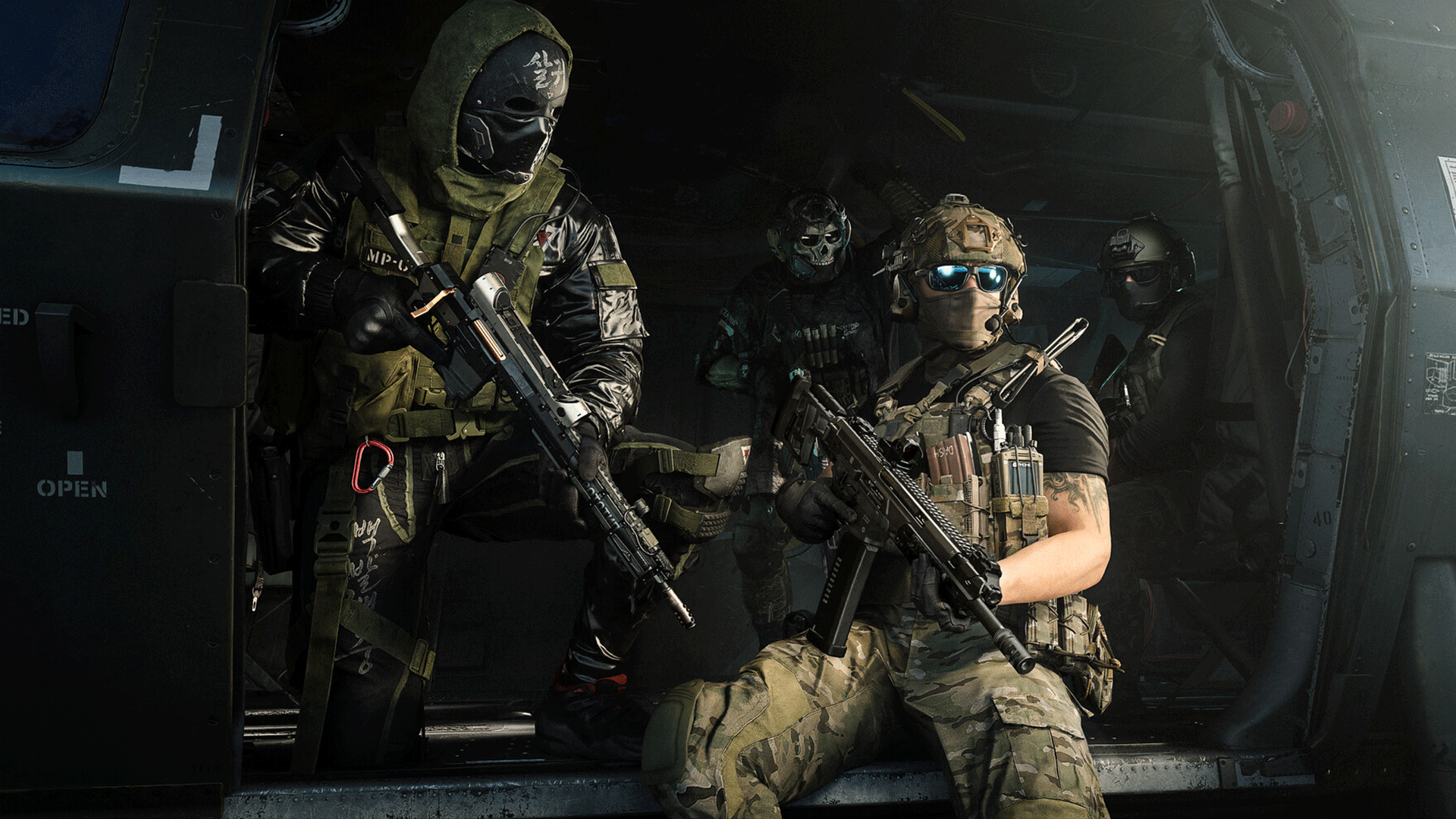
The senior director of Call of Duty's anti-cheat system has explained why Activision shadow bans players instead of outright permanently banning them from the game.
For years, there has been a lot of friction regarding cheating and the implementation of anti-cheat in major games like Call of Duty. Anti-cheat in gaming isn't perfect; it makes mistakes and accidentally bans people who shouldn't be banned, it can create headaches around launching the game with things like Secure Boot, and some players are placed in ambiguous "limited matchmaking" pools, AKA shadow banned.
There has been a lot of mystery over how anti-cheat works, so IGN spoke with Call of Duty's senior director of game security, David Andrews, to learn a bit more about its Ricochet anti-cheat. In our exclusive interview, I asked why Activision opts to shadow ban players suspected of cheating rather than simply outright banning them there and then.
"We have limited matchmaking that we will put a suspicious account into to isolate them while other checks are either running or we're waiting on other data," said Andrews. "We're kind of doing this review process of looking at that account more holistically and seeing what's really going on here. It's kind of this stop gap measure to immediately remove them without making it be permanent [or without creating] irrevocable impact to that account and to that player, giving us some breathing room to figure out what is going on with this account and then either restoring them to the player population because it was kind of a false alarm situation."
Andrews went on to note that Activision has a variety of ways to deal with suspected cheaters, but uses techniques such as shadow banning to potentially rehabilitate a player and allow them the chance to keep playing without issue.
"We have also done some rehabilitation through the limited matchmaking saying, 'Hey, you can't do that behavior that you've just been engaged in and you can come back if you stop,' or whatever. We have a lot of enforcement capabilities. We have limited matchmaking, we have ranked play bans, we've got remote play bans, we've got temporary and permanent account suspensions, we've got hardware bans. We can do all kinds of things, and each time we're dealing with a particular style or type of cheating, we're sort of evaluating which one of these kind of makes sense for this group of cheaters. Can they be rehabilitated? Are we ultimately 100% confident in this? Is more research required? Whatever the case might be, we'll figure out what to do that's appropriate."
Call of Duty: Modern Warfare 4 drops next month and Infinity Ward aims to be receptive to player feedback. Anti-cheat is a big part of the optics of a Call of Duty game, and the team tested Ricochet's MW4 implementation during the recent beta. It did result in an accidental ban of a former pro player, but Call of Duty's comms team rectified the issue and confirmed it was a mistake.
Call of Duty has a reputation for cheating, especially with the free-to-download battle royale Warzone. Activision has spent a significant amount of time, money, and energy in response, even taking on cheat makers in court, although it, like all video game developers, faces an uphill battle in the war on cheaters.
📰 Original Source:IGN
✍️ Author: Cade Onder
Leave a Reply